
NON-RENEWABLE ENERGY SOURCES
Most of Hawai‘i’s oil is imported from foreign countries. The state still depends on fossil fuel for transportation and electricity generation.

LIQUID FUELS
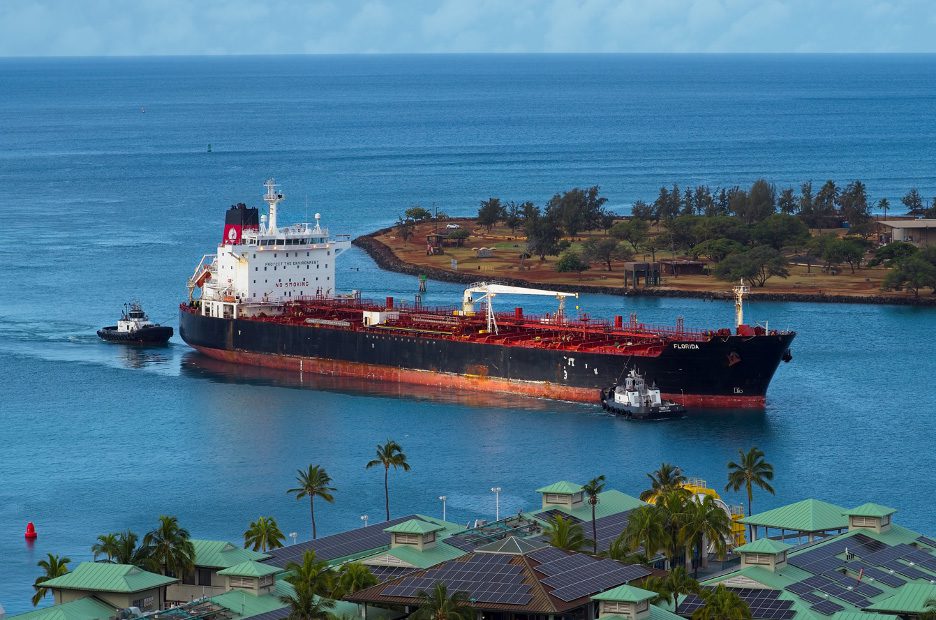
Liquid fossil fuels used in Hawaiʻi are imported across the Pacific Ocean, largely from foreign sources. Fuels are either imported as crude oil or refined products. Crude oil is offloaded in waters off Oʻahu, piped onshore to be refined and processed, and then distributed by barge to the neighbor islands. Refined products are also imported typically onshore.
The liquid fuel dominance in the energy system is vulnerable to supply chain disruptions, price volatility, and other external factors beyond the State’s direct control.
Refined produces are primarily associated with end-use sectors that are more difficult to electrify. Gasoline and diesel are used mainly in the ground transportation sector, supporting personal vehicles, commercial fleets, freight movement, and public transit. Jet fuel is a critical input for the aviation sector, enabling interisland travel, tourism, and essential connections between Hawaiʻi and global markets. Fuel oils, including distillate and residual fuel oils, have historically been used for electricity generation and for marine shipping and harbor operations, though their use in power generation has declined as cleaner energy resources are added to the grid.
The continued use of liquid fossil fuels raises considerations related to energy security, environmental risk, and greenhouse gas emissions. Interisland and offshore fuel transport presents ongoing risks to Hawaiʻi’s marine and coastal environments.
Photo courtesy of Bill Marhoffer, Oil tanker being tugged into Honolulu Harbor.
NATURAL GAS
Some Hawai‘i residents also rely on natural gas for cooking, water heating, and other energy needs. Hawai‘i’s only natural gas provider is Hawai‘i Gas, which has been servicing Hawai‘i since 1904. Hawai‘i Gas maintains both regulated utility gas and non-utility propane distribution operations, serving nearly 70,000 customers and employing approximately 350 people across the islands.
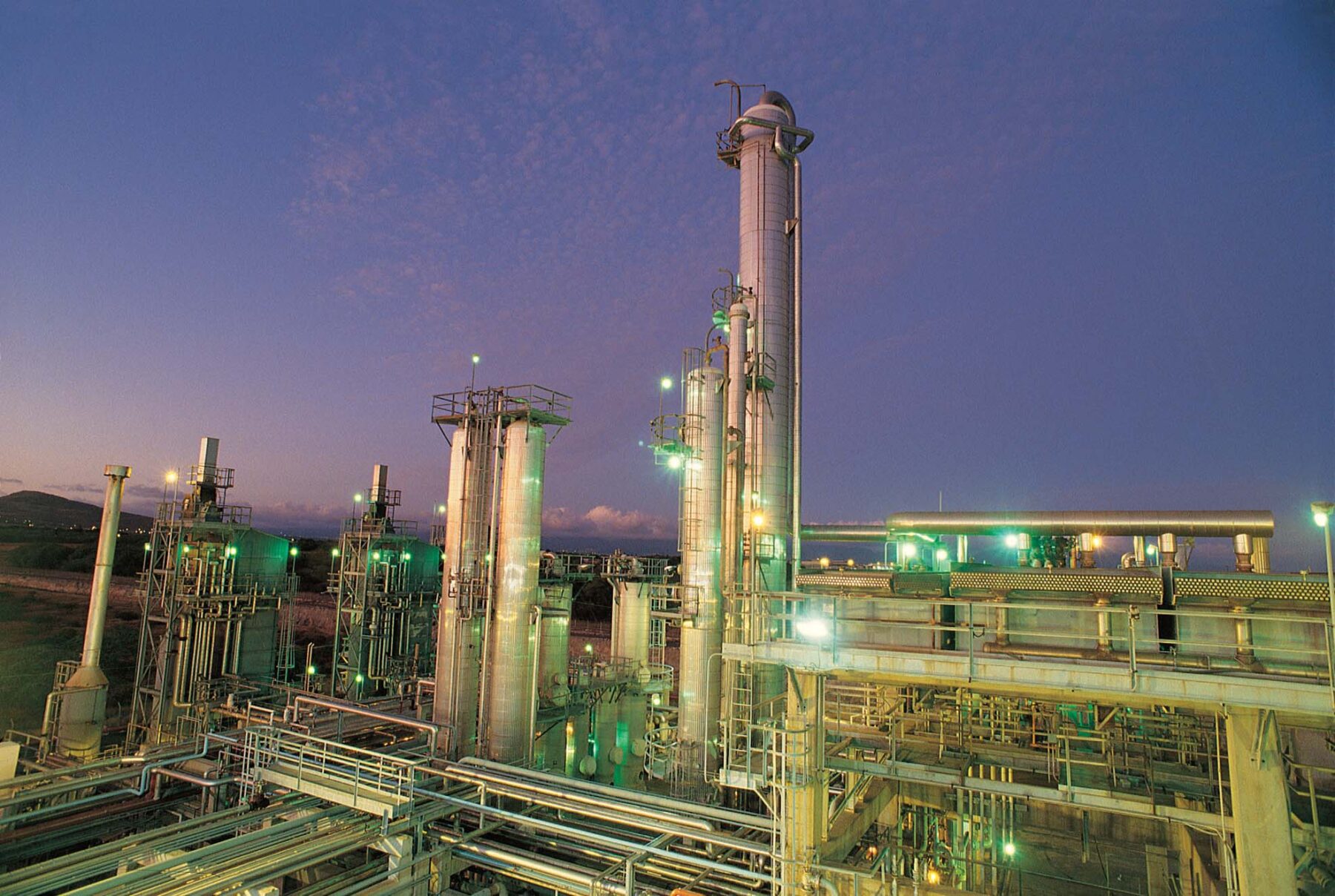
Hawai‘i Gas maintains about 1,100 miles of gas pipeline infrastructure, mostly on O‘ahu, to deliver gas energy that is produced at its synthetic natural gas (SNG) plant. The current gas mix is primarily SNG, small amounts of liquified natural gas (LNG), hydrogen, and renewable natural gas (RNG). Hawai‘i Gas captures and processes renewable natural gas or biogas from the City and County of Honolulu’s Honouliuli Wastewater Treatment Plant. This facility has the capacity to produce up to 800,000 therms of energy per year, enough gas for more than 6,000 homes.
Hawai‘i Gas also services customers statewide using propane tanks and other distributed infrastructure with bulk storage facilities on every major island.
Photo of Hawai‘i Gas synthetic natural gas facility at Campbell Industrial Park, O‘ahu.
MAP OF INCOMING SOURCES OF OIL
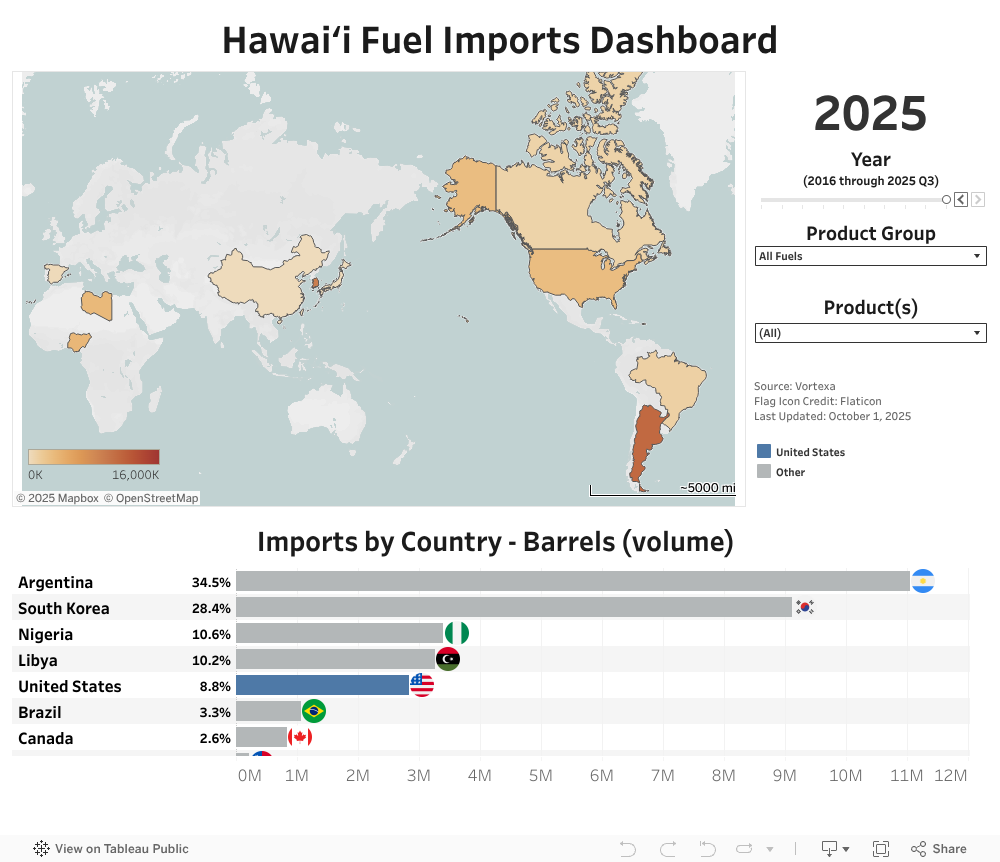
Hawai‘i imports refined petroleum products as well as crude oil that is later refined on Oʻahu and distributed statewide. Most of the crude oil is imported from foreign countries. The dashboard below displays the countries of origin for imported oil and other fuels into Hawai‘i from 2016 to the present. As of March 2022, Hawai‘i no longer receives oil or other petroleum products from Russia. View the complete Hawai‘i Fuel Imports Dashboard landing page here.
COAL
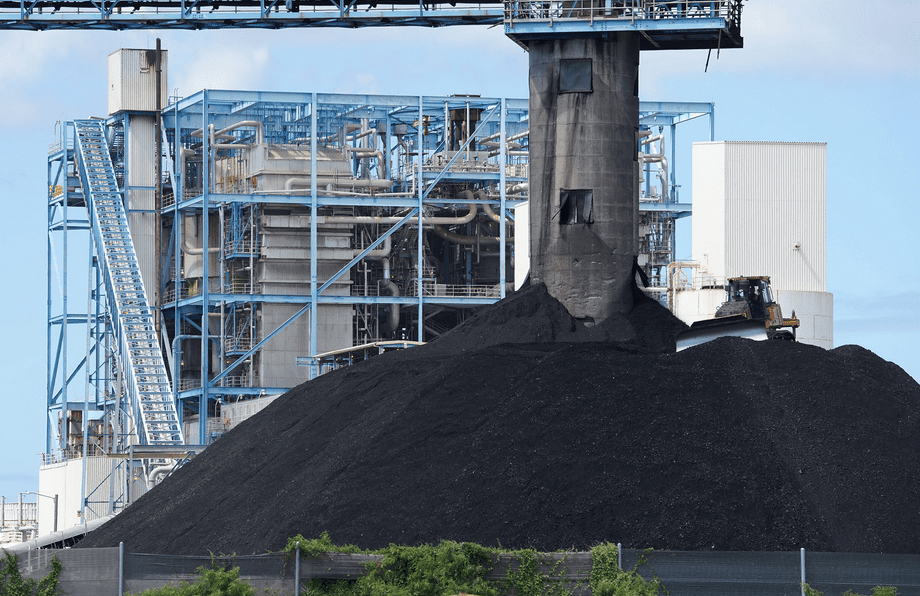
As of September 1, 2022, coal is no longer used for electricity generation in Hawaiʻi. On that date, the power purchase agreement for the state’s last coal-fired power plant expired, and the facility was subsequently retired in accordance with state law.
Legislation: The state legislature passed Act 23 in 2020, which explicitly banned the use of coal for energy production.
Effective Date: The law prohibited the issuance or renewal of covered source air permits for coal-burning electricity generation facilities after December 31, 2022.