
Electric Vehicles (EV)
Electric Vehicles account for a growing share of new vehicle registrations in Hawai‘i. This page provides information on relevant laws, programs, partnerships, and resources related to EV adoption in Hawai‘i.
What is an Electric Vehicle?
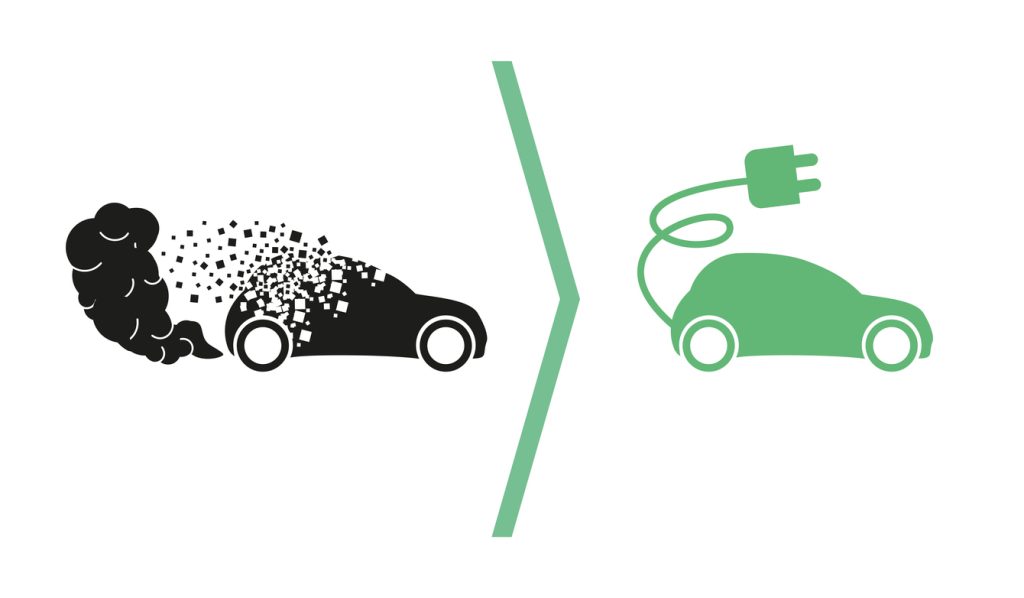
An Electric Vehicle (EV) is a vehicle powered by a battery instead of a combustion engine. These vehicles can be small (regular car) or large (city bus). These vehicles are powered by electricity instead of gas, requiring them to be charged. To learn more about EV Charging, visit the EV charging page here.
Below you can find out more about the specific Laws and Commitments, Programs, Partners, and general EV Resources which govern over electric vehicles. Navigate throughout this page to find out about local and federal level programs which incentivize the adoption of EV’s and explore the various companies which the state has partnered with to expand the adoption of EV’s.
EV Laws and Commitments
EV, Alternative Fuel Vehicles; Surcharge on Annual Vehicle Registration Fee
Establishes an annual vehicle registration surcharge fee for electric vehicles and alternative fuel vehicles to be deposited into the State Highway Fund. Electric vehicles and alternative fuel vehicles shall pay an annual vehicle registration surcharge fee of $50, which shall be assessed and collected beginning with the first registration renewal for every electric vehicle and alternative fuel vehicle and shall be deposited into the state highway fund established under section 248-8. Act 280, 2019
Contracting public facilities; Vehicles; Energy Efficiency; Performance Contracts
Amends the definition of “energy performance contract” to include the provision of electric vehicle charging infrastructure for a portion of avoided vehicle maintenance or fuel costs pursuant to a vehicle fleet energy efficiency program. Act 144, 2019
Fuel Cell Electric Vehicles
Grants procurement priority for fuel cell electric vehicles for state and county vehicle purchases. Includes fuel cell electric vehicles in the definition of “electric vehicles” for purposes of parking fee exemption, high occupancy vehicle lane use, registration, and required parking spaces in places of public accommodation. Act 143, 2019
Parking spaces reserved for EVs; penalties
Light-Duty Motor Vehicle Requirements; County and State Agencies
HRS 103D-412 For more information, go to our Motor Vehicle Procurement Page.
Act 206: EV Battery Recycling and Reuse Working Group
The Act 206 working group’s main objective is to create a plan for the best management practices for the recycling, reuse, repurposing and when necessary, disposal of EV batteries. The working group was convened in response for the need of a coordinated statewide approach for the managing of end-of-life EV batteries.
Past Incentives
As of September 30th, 2025, the following incentives have gone out of date.
Federal
Qualified Plug-In Electric Vehicle (PHEV) Tax Credit (Reference Public Law 112-240 and 26 U.S. Code 30D)
State
Free EV Parking at State & County facilities (including metered parking); exemptions from HOV lanes
Act 168, Session Laws Hawaii, 2012. Also reference Hawaii Revised Statutes 291-71 Note
Programs
Volkswagen Environmental Mitigation Trust
Gov. David Ige designated the DBEDT as the lead agency for purposes of administering the State of Hawai‘i’s $8.125 million allocation per the Volkswagen Settlement’s Environmental Mitigation Trust. HSEO is the primary state agency charged with expending and executing the Eligible Mitigation Actions funded by the Trust. In addition to fully mitigating the excess lifetime NOx emissions of the VW vehicles subject to the Settlement, the State of Hawai‘i’s overall goal for the funds is to support projects that will aid the State in meeting many of Hawai‘i’s clean energy goals including supporting “the ultimate elimination of Hawai‘i’s dependence on imported fuels in ground transportation” per the State’s planning goal.
Medium- and Heavy-Duty Vehicle Memorandum of Understanding
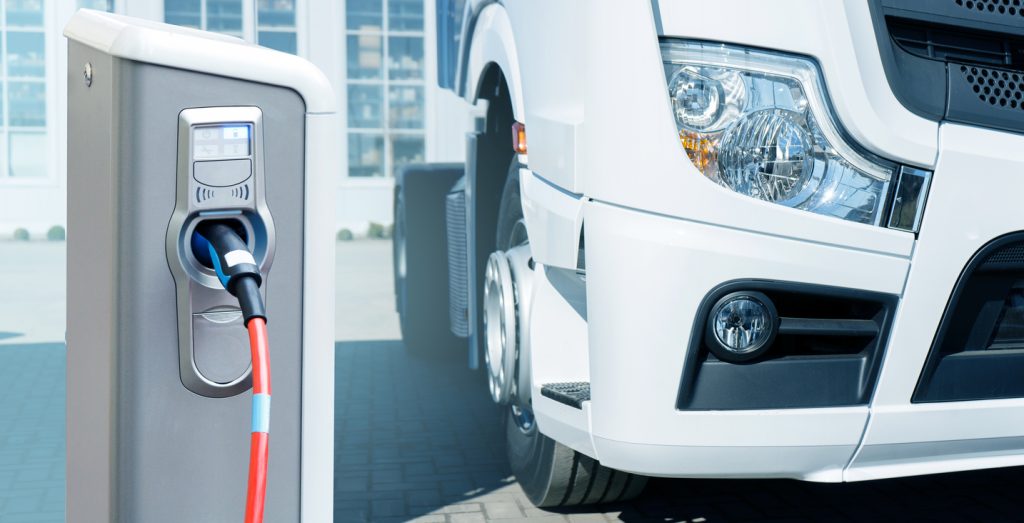
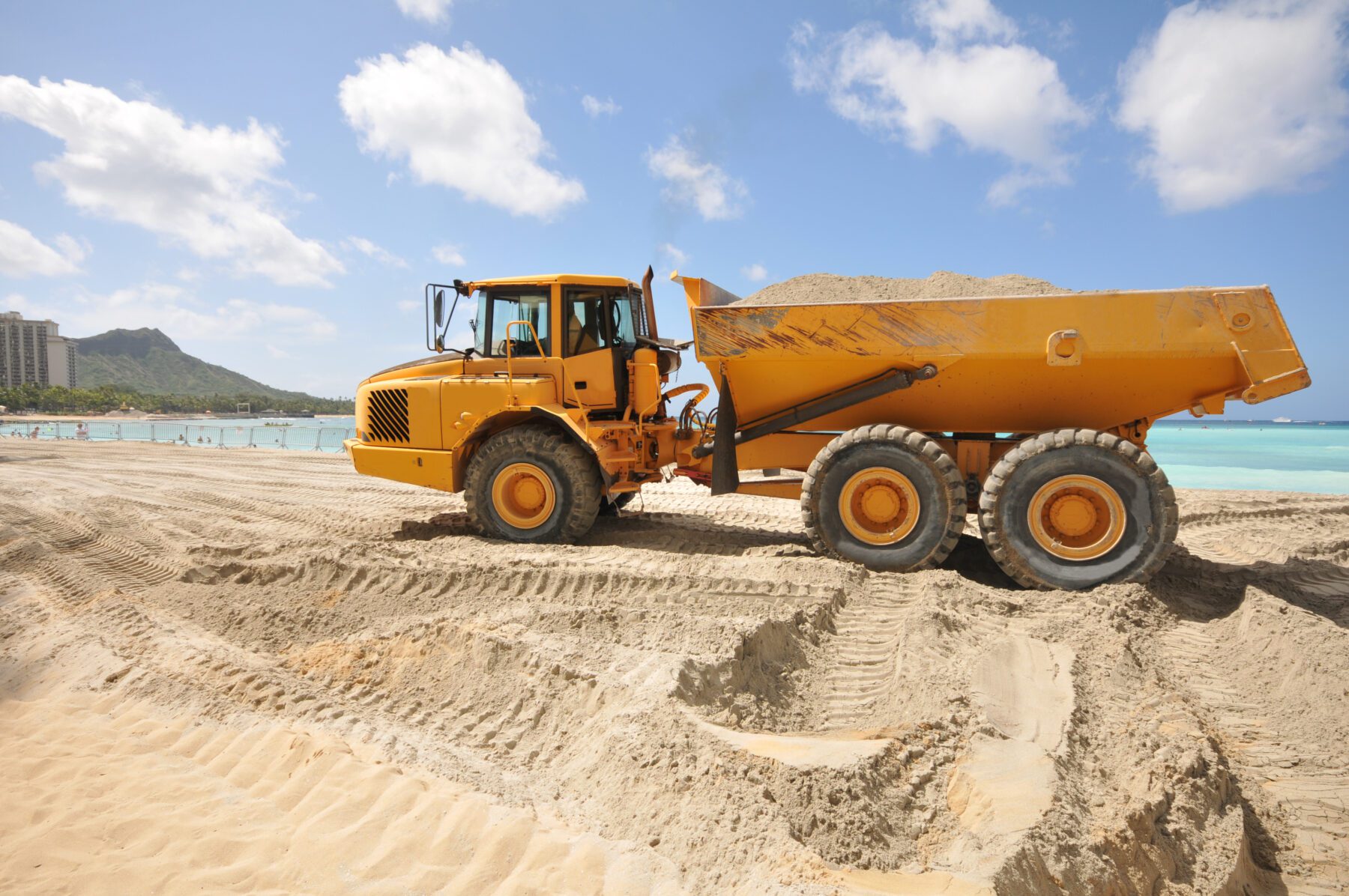
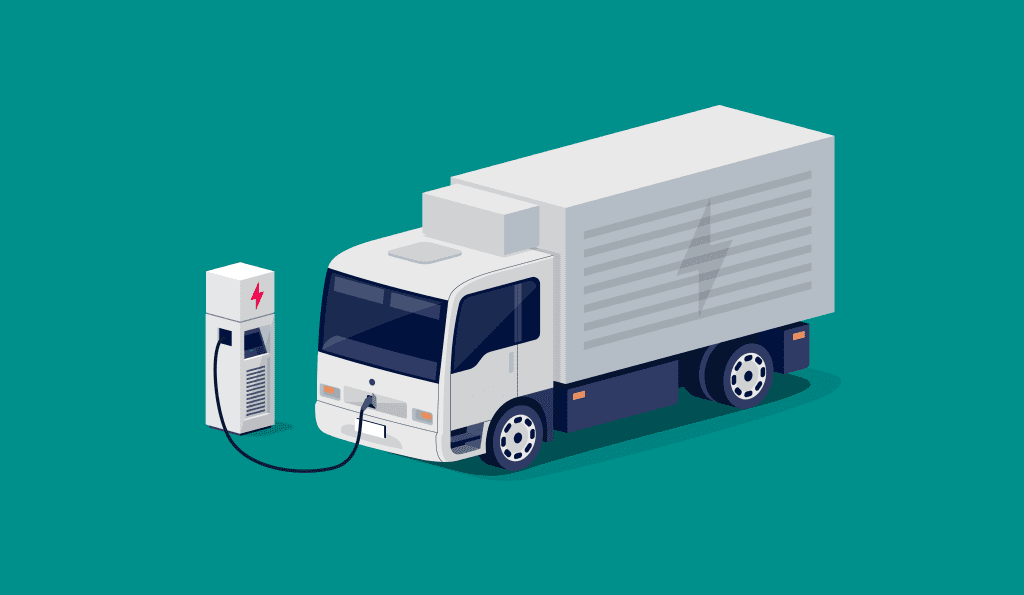
The next major challenge in ground transportation is converting medium- and heavy-duty vehicles to ZEVs. HSEO led the effort for Hawai‘i to join with 14 other states and Washington, D.C., in signing the Multi-State Zero Emission Medium- and Heavy-Duty Vehicle Memorandum of Understanding (MDHD MOU). The original 15 signatory states and Washington, D.C., account for almost 50% of the U.S. economy and 40% of goods moved by truck (value), sending a strong market signal for ZEV vehicles in the medium- and heavy-duty segment, including full-size pickup trucks.
The signatory states have been collaboratively developing an MDHD ZEV Action Plan, set to be released in 2022. This action plan will discuss opportunities and barriers to MDHD market transformation and recommend strategies to achieve the goals set forth by the group.
To support the growth of the MDHD ZEV market, HSEO partnered with the Hawai‘i Department of Health Clean Air Branch (HDOH-CARB) to set up the Diesel Replacement Rebate (DRR) to cover up to 45% of eligible costs for MDHD ZEVs and charging equipment.
EV Resources
EV Handbook for Consumers
Answers basic questions about EVs, including how they operate and are charged, the benefits of owning them, how to maintain them, which type fits your needs, and much more.
EV Handbook for Fleet Managers
Provides information on vehicles, maintenance, safety, emissions, charging equipment, and more. The handbook also points fleet managers to a host of resources and information that can help them successfully incorporate EVs into their operations.
Number of Registered EVs in Hawai‘i
The DBEDT monthly energy trend report contains vehicle registration data including the number of passenger EVs. Check out the Monthly Energy Trend: Highlights and Summary Tables and the Historical data from January 2006 for EV figures.
Partners
City and County of Honolulu, Maui County, Hawai‘i County and Kauai County
The City and County of Honolulu, Maui County, Hawai‘i County and Kauai County have committed to transform Hawai‘i’s public and private ground transportation to 100 percent renewable fuel sources by 2045.
Drive Electric Hawai‘i
Drive Electric Hawai‘i seeks to promote the use of EVs, cut fossil-fuel transportation and add more renewable energy through collaboration on education, promotion, advocacy, and infrastructure to make electric mobility easier for all. Drive Electric Hawai‘i is a coalition of eight public, private, and nonprofit organizations with a shared vision of supporting and promoting electrification transportation options in Hawai‘i.
Hawaiian Electric
Hawaiian Electric provides optional time-of-use rates that create an opportunity for EV drivers to save by using energy during certain times of day when solar power is most abundant. To support clean transportation, the Hawaiian Electric Companies received approval from the Hawai‘i Public Utilities Commission to own and operate publicly accessible DC Fast Chargers across O‘ahu, Maui County, and Hawai‘i Island.
Hawai‘i Automobile Dealers Association (HADA)
The mission of HADA is to help auto dealers comply with the laws so as to make car buying by the public trouble free. HADA is a nonprofit 501(c)(6) trade association.
Sustainable Transportation Coalition of Hawai‘i
The Sustainable Transportation Coalition of Hawai‘i (STCH) is a program coordinated by Blue Planet Foundation, a non-profit 501(c)(3) organization whose mission is to clear the path for clean energy in Hawaii. STCH supports locally driven efforts to reduce the use of petroleum in Hawai‘i’s transportation sector through education and outreach. The Coalition is a source of information and can provide technical assistance regarding the benefits of using alternative fuels and alternative fuel vehicles, as well as reducing petroleum consumption through VMT reduction and mode shift. The Clean Cities program is a national alternative fuel/advanced technology deployment program administered by U.S. Department of Energy’s office of Energy Efficiency and Renewable Energy’s Vehicle Technologies Program. The Clean Cities program has a network of over 90 volunteer coalitions across the nation.